I have also started to expand my photography business with my new website - www.lucyhannahphotography.co.uk . I now also have twitter, facebook and google+ which are all linked together with my website and blog. After the IMP exhibition, my work is being displayed in St Paul's Church in Widnes, and I am already recieving enquiries from brides within the church. I have also booked my first wedding :)
Showing posts with label Career Research. Show all posts
Showing posts with label Career Research. Show all posts
Monday, 11 June 2012
Plans for after colege
I decided a while ago that after college I didn't want to go on to university. I decided that I wanted to work for myself as a wedding photographer and for the next few years also have a part time/full time job so that I can support myself. I now work as a Camera and Digital Imaging Promoter for Samsung, which although isn't a specific photography job, it allows me to expand my experience in talking to customers and my knowledge of cameras.

Wednesday, 18 May 2011
The next step
I decided that the best way for me to achieve my goals is to, after college, go into business for myself. University is not something that appeals to me much, and it is not necessary to have a degree to have a successful career as a wedding photographer. I think that it would probably be beneficial if I assisted a current wedding photographer but assisting jobs are not always easy to come by, and I think that it is not necessarily vital for my career. Instead of assisting I think that over the next year I will try and get some work experience with wedding photographers. Even if it is just shadowing them for a day at a wedding to see what a wedding is like from a photographers point of view. Through my course at college I will learn the basics that I need but I know that I will need to do a lot of research and work outside college in order for my skills and business knowledge to be good enough to be successful.
Tuesday, 17 May 2011
Deciding on a career
Out of the four areas of photography that I looked at in more detail, the area that interests me most is Wedding photography. Weddings are something that I have always been interested in, so I think that it is something I could be good at. It also means that I do not have to focus on just one area of photography i.e. landscapes or architectural or portrait; wedding photography incorporates all areas of photography and I think that this would be more interesting than just focusing on one area, and it means that my skills in all areas would be constantly developed and improved.
Wednesday, 27 April 2011
Forensic Photography
What the job entails:
Forensic photographers are required to produce visual records of the scene where a crime or accident has taken place. They need to also produce visual records of evidence including wide shots of the scene as well as details such as fingerprints, tire marks, blood splatters etc. They also need to take detailed photographs of injuries sustained during an accident and dead bodies.
Typical career routes:
Most photographers within this field start as a Crime scene investigator before specializing in photography or forensic imaging. It is not necessary for them to have formal training within photography but a previous qualification often enhances their chance of selection.
Training and qualifications:
Forensic Photographers usually receive general training in crime scene photography once they have already been selected as a Crime Scene Investigator or a Scene of Crime Officer. The qualifications necessary to gain work as a CSI or SOCO are usually at least good passes at GCSE or Standard Grade, including English and either science (Biology/Chemistry) or maths, and at least one A level or Higher in a science subject. A typical route is to complete a course in photography and to apply for job within the police force or specialist forensic agencies. There are also specialist forensic imaging courses such a degrees and specialised training in Fingerprints, footwear and lighting.
Essential skills and knowledge:
Forensic photographers need to have a good knowledge of photographic techniques and processes, and be able to pay attention to detail. They also need a good grounding in police methods and must also have a good knowledge of human anatomy.
Employment:
Most forensic photographers are employed directly by the police or specialist forensic agencies. They work pre-defined shifts and a salaried post. Vacancies for Forensic Photographers are advertised in the national press and in specialist journals such as New Scientist, Police Review and the British Journal of Photography.
Medical Photography
What the job entails:
Most medical photographers will work within small medical illustration departments in either hospitals or medical schools. Their job is to record the work of healthcare professionals as well as record patients injuries and diseases to be used either to help with treatments or for education. They will photograph patients on the wards, the operating table and bodies in the post mortem room.
Career Routes:
Most medical photographers will have some sort of science related degree level qualification, a photographic education as well as a specific medical photography qualification. Once in the field the photographers then have the opportunity to specialise in different aspects of medical photography.
Training, skills and qualifications:
They need a thorough grasp of photographic techniques and of which equipment would be appropriate for various situations within the medical setting. They also need a basic knowledge of human anatomy and the origins of disease. They need an interest and knowledge of scientific terminology in order to communicate with medical staff. Medical photographers are required to have a HND level course in photography followed by a training post at a teaching hospital. They also need to complete a Post Experience Certificate in Medical Illustration or a Qualifying exam in Medical Photography. Or to complete a full time HND course in Medical Illustration.
Equipment:
They require a digital SLR or a 35mm equivalent. They also need more complex equipment for micro- and macrography, time-lapse cinematography, thermal imaging, endoscopy and photography outside the visible spectrum.
Typical salary:
There are different pay bands set for medical photographers within the NHS. A trainee can earn between £12,800 - £15,500; a more experienced photographer can earn £15,500 - £24,000; and a medical photographer in a managerial position can earn £24,000 - £35,000.
Job vacancies:
Jobs are advertised in numerous medical publications, the British journal of photography and NHS websites.
Examples of medical photography:


Examples of medical photography:
Wedding Photography
What the job entails:
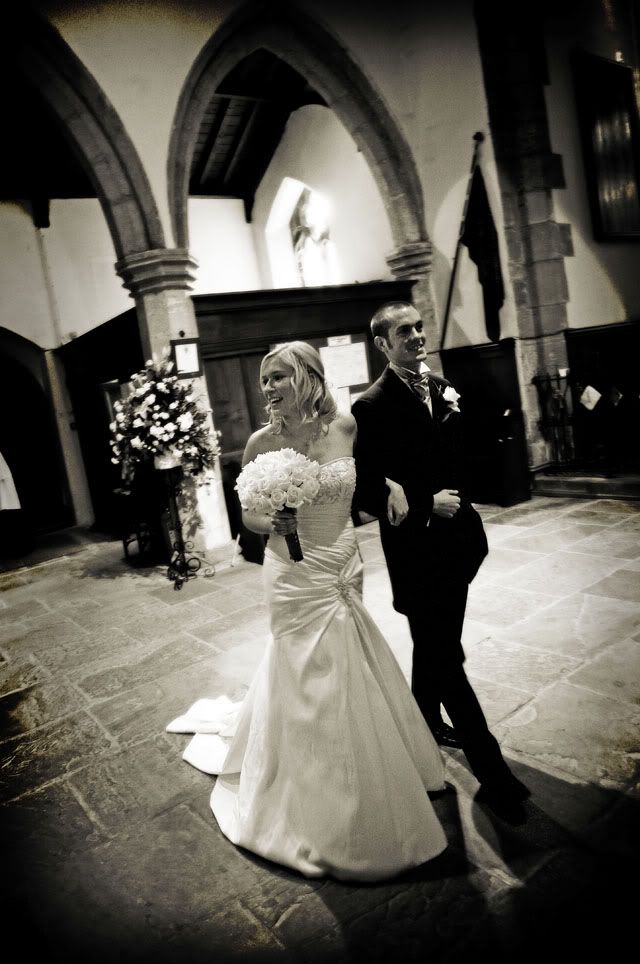
Wedding photography is a mixture of many different aspects of photography. It combines documentary, still life, portrait, architectural, fashion, food and sometimes studio photography. It involves recording the happenings of the day photographing memorable moments as well as capturing key photographs such as:
· Details - the dress, shoes, cake, flowers, car etc.
· The venue
· The bride getting ready
· Group shots
· The bride and groom - the signing of the book, a kiss etc.
The main focus of a wedding is usually the bride so the majority of the photographs will be documenting the bride throughout the day.
Career routes, training, skills and qualifications:
Most wedding photographers will work freelance. Many will have diplomas or degrees in photography, they may have also completed shorter courses specifically aimed at wedding photography. After gaining their qualifications, they may be an assistant to a more established photographer before setting up their own business in wedding photography. As well as having photographic knowledge, a wedding photographer needs to be able to communicate will people in order to gain the shots they want and in order to be able to organize group shots.
Equipment:
· At least two cameras - usually digital SLRs (cameras from the professional ranges of manufacturers will have quieter shutters and therefore be more appropriate in a wedding setting)
· Spare batteries
· Multiple memory cards
· Flash
· Tripod
Typical salary:
It is difficult to find statistics about the salaries of wedding photographers. As many of them are freelance they are able to choose their prices themselves. They will take into account how much money they need per month/year to live on, how much their camera insurance is etc. and come up with their own price. Prices also depend on how clients wish their photographs to be displayed. As the prices vary so much there is usually a photographer available for every clients price range.Examples of wedding photography:


Fashion Photography
What the job entails:
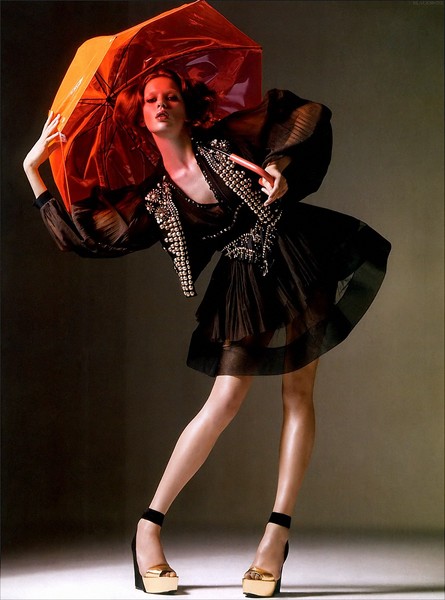
Fashion photographers work in both studios and on locations. It is their job to photograph the garments and incorporated ideas of clients and influences from the seasons. They have to be able to understand the client's brand image and produce unique and interesting shots to fulfil their brief. High fashion photographers and magazine photographers often work within their own studios or in studios supplied by clients. They must be innovative and creative and be constantly refreshing their style to keep up to date. Mail-order catalogue photographers usually work with an array of models in various situations photographing a single range of clothing over a few days or weeks producing enough photographs to fill a catalogue. These photographers have the security of regular employment but rarely earn as much as high fashion and magazine photographers.
Career routes:
Many fashion photographers will start out in the business as an assistant to a more established photographer and will learn on the job. This provides the photographer with experience and contacts such as various art directors, clients and models.
Training, skills and qualifications:
Various colleges and universities offer courses in photography and more specifically fashion photography. These give a wide knowledge of the fashion industry however it would be more valuable and helpful to start as an assistant to another photographer. You need to have a wide interest in the whole fashion industry, not just photography, and be creative and innovative with your techniques. As photographers will be meeting clients and working with models and art directors they need to have good interpersonal skills, and be able to source accessories and props.
Typical salaries:
Most fashion photographer’s work on a freelance basis and starting salaries are often low. A day shooting for a magazine may start at around £150 rising to around £600 for someone with more experience. In other areas of fashion photography the more experience photography can command around £3,000 for a days work.
Examples of fashion photography:


Examples of fashion photography:

Careers Within The Photography Industry
Advertising
Fashion
Wildlife
Forensics
Wedding
Medical
Sports
Photojournalism
Paparazzi
Event
Portraiture
Editorial
Architectural
Military
Documentary
Marine
Music
Travel
Fine Art
Food
The areas of photography that I am probably most interested in would be fashion, wedding, medical and forensic.
Fashion
Wildlife
Forensics
Wedding
Medical
Sports
Photojournalism
Paparazzi
Event
Portraiture
Editorial
Architectural
Military
Documentary
Marine
Music
Travel
Fine Art
Food
The areas of photography that I am probably most interested in would be fashion, wedding, medical and forensic.
Subscribe to:
Posts (Atom)